

In today’s fast-paced political landscape, the power of words often outweighs the power of actions. Politicians who master the art of persuasive communication can sway public opinion, rally supporters, and even alter the course of history. This is where the concept of the “eloquence bard” comes into play—a figure who combines charisma, clarity, and compelling storytelling to connect deeply with audiences.
Understanding the role of the eloquence bard in politics is essential. Behind every memorable speech and viral public address is a skillful orator who understands how to craft messages that resonate with diverse groups. As political discourse grows more complex and fragmented, the ability to use eloquence as a bridge between ideas and people becomes increasingly valuable.
This article explores the traits that define an eloquence bard, their influence on politics, and practical tips on how anyone can enhance their persuasive skills. Whether you’re a political enthusiast, a communicator, or just curious about the art of speech, gaining insight into this dynamic role can sharpen your appreciation for effective dialogue in political arenas.
What Is an Eloquence Bard?
The term “eloquence bard” is a modern twist on the historic role of bards—storytellers, poets, and orators who preserved culture and inspired communities through their spoken word. Today, the eloquence bard is not limited to entertainment but applies prominently to political figures who use their speech craft to influence public affairs.
Unlike standard politicians who rely solely on policies and campaigns, an eloquence bard elevates politics through artistry. They weave narratives that highlight shared values, clarify complex issues, and evoke emotional responses that compel audiences to act.
Key Characteristics of an Eloquence Bard
To understand the impact of an eloquence bard, consider these essential traits:
- Clarity: They communicate ideas simply yet effectively, avoiding confusion or ambiguity.
- Passion: Their speeches convey genuine emotion, making listeners feel invested.
- Storytelling: They use anecdotes and metaphors to illustrate points memorably.
- Charisma: Their presence commands attention and fosters trust.
- Adaptability: They tailor their message to different audiences and contexts.
Why Eloquence Matters in Modern Politics
Politics today is a noisy and fragmented space, saturated with data, social media, and rapid news cycles. In such an environment, how politicians convey their message can be just as important as what they say. Eloquence is a powerful tool that helps break through the clutter and connect on a human level.
Building Trust Through Effective Communication
Trust is a critical currency in politics. The eloquence bard builds trust by appearing authentic and clear, making complex issues understandable. When voters feel heard and understood, they are more likely to support a politician’s agenda.
Mobilizing Supporters and Influencing Public Opinion
Powerful speeches can energize a base, inspire grassroots movements, and attract media coverage. The eloquence bard uses words to shape narratives that resonate beyond traditional political platforms. This has been evident in numerous historic moments where a well-delivered speech changed public sentiment.
How to Cultivate Eloquence in Political Discourse
You don’t need to be a professional politician to learn from the eloquence bard. Whether you are participating in community debates, writing opinion pieces, or simply wanting to improve your communication, these tips can make your speech more impactful.
1. Know Your Audience Deeply
Effective communication starts with understanding who you’re talking to. What are their values, fears, hopes? Tailor your message so it speaks directly to their experiences and concerns. This personalization helps your words hit home.
2. Master the Art of Storytelling
Stories are memorable and relatable. Use personal experiences, historical examples, or simple analogies to illustrate your points. This not only clarifies your argument but also engages listeners emotionally.
3. Focus on Clarity and Brevity
In political discourse, less is often more. Avoid jargon and convoluted sentences. Aim for concise, clear expressions that leave little room for misunderstanding. This helps keep your audience’s attention and allows your message to stick.
4. Practice Active Listening
An eloquence bard is not just a speaker but also a listener. Pay attention to feedback and concerns. This allows you to refine your message and demonstrates respect to your audience, encouraging open dialogue.
5. Develop Emotional Intelligence
Understanding emotions—both your own and those of your audience—enhances your ability to connect and persuade. Use tone, pauses, and emphasis to reinforce key points and evoke the right feelings.
The Impact of Eloquence Bards on Political Culture
Throughout history, eloquence bards have shifted political culture by elevating public discourse and promoting democratic engagement. Their speeches often become rallying cries that define eras and catalyze change. Wikipedia
Historical Examples
From Abraham Lincoln’s Gettysburg Address to Winston Churchill’s wartime speeches, eloquence bards have turned words into instruments of resilience and hope. Their articulate appeals helped citizens make sense of uncertainty and motivated collective action.
Modern-Day Influences
Today’s eloquence bards emerge not only on physical podiums but also across digital platforms. Social media amplifies their reach, allowing voices to inspire millions instantly. This democratization of speech presents both opportunities and challenges for political communication.
Conclusion: Embracing the Power of the Eloquence Bard
The rise of the eloquence bard underscores a timeless truth: effective communication remains at the heart of political influence. As politics becomes more participatory and diverse, mastering the art of eloquence helps bridge divides, foster understanding, and inspire action.
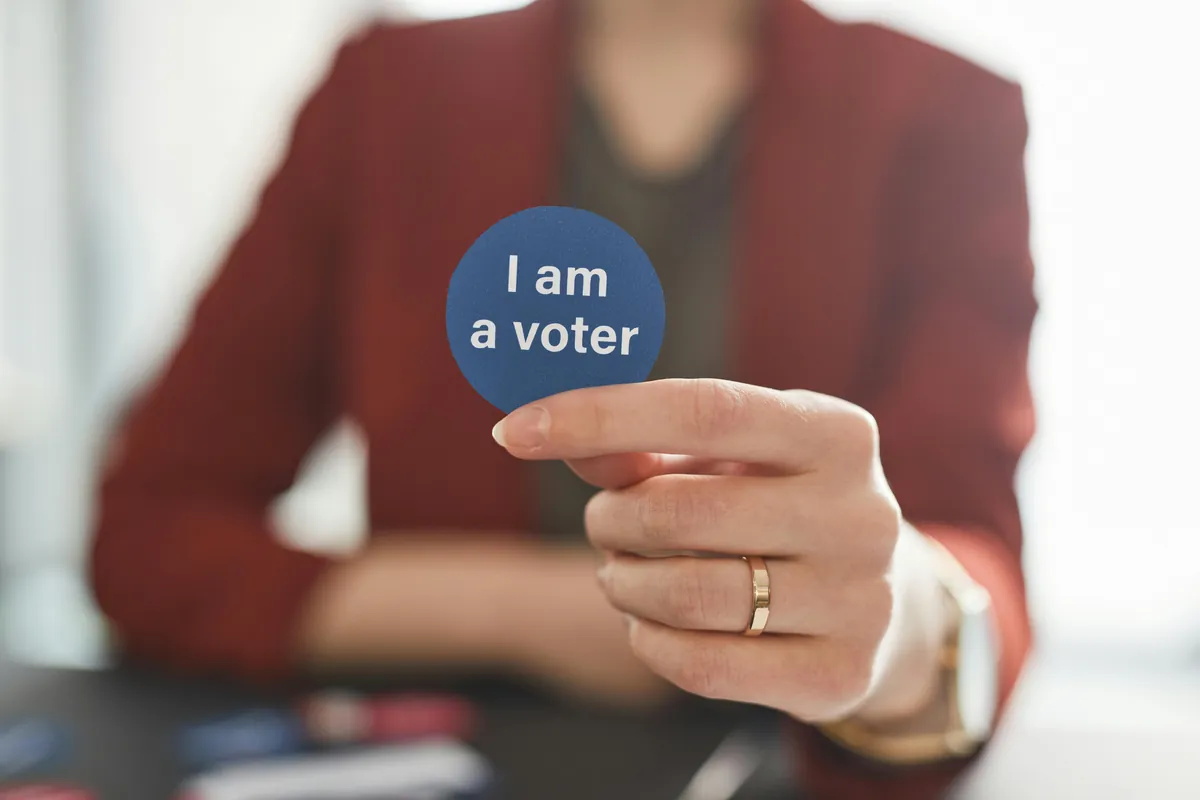
Whether you are a voter, activist, or aspiring leader, appreciating the qualities of an eloquence bard can enrich your engagement with politics. By honing your own communication skills, you too can become a part of the ongoing story where words shape the future.
FAQ
What exactly does the term “eloquence bard” mean in politics?
In politics, an eloquence bard refers to a figure who uses persuasive, clear, and passionate speech to influence public opinion and connect deeply with audiences. Unlike ordinary politicians, eloquence bards turn political communication into an art form that inspires and motivates.
Why is eloquence important for politicians today?
Eloquence helps politicians stand out in a saturated media environment. It builds trust, clarifies complex issues, and mobilizes supporters by making messages memorable and emotionally compelling.
Can anyone develop the skills of an eloquence bard?
Yes. While some people may have a natural talent, anyone can improve through practice, understanding their audience, storytelling, and focusing on clear communication.
How do modern digital platforms affect the influence of eloquence bards?
Digital platforms amplify the reach of eloquence bards, enabling them to connect with wider and more diverse audiences quickly. However, they also increase competition for attention and require new strategies for engagement.
What are practical tips to improve political eloquence?
To improve political eloquence, focus on knowing your audience, using storytelling, keeping messages clear and concise, practicing active listening, and developing emotional intelligence to connect authentically.












Leave a Reply