

The chip industry news is making waves far beyond the usual tech headlines. While semiconductors are often associated with smartphones or computers, their influence on health technology is rapidly growing. From diagnostics to wearable devices, breakthroughs in chip technology are reshaping how we monitor and manage health.
Why does this matter to everyday readers? Because improvements in the chip industry can directly enhance patient care, enable faster disease detection, and support healthier lifestyles. Understanding how the chip landscape evolves can help us appreciate the health tools we use and anticipate innovations on the horizon.
In this article, we’ll explore the latest chip industry news and what it means for healthcare. We’ll break down key advances, discuss emerging applications, and offer practical insights into how these changes might affect you and your family. Wikipedia
The Chip Industry’s Growing Role in Health Technology
The semiconductor industry has traditionally powered computing and electronics. However, the past decade has seen a surge in chips designed specifically for health applications. These specialized microchips enable smarter medical devices, from wearable fitness trackers to sophisticated diagnostic tools. Who Is Ken Panzer? Understanding the Influence of a Leading Health Innovator
Why Semiconductors Are Vital to Health Innovations
Semiconductors are the “brains” inside modern electronic devices. In healthcare, they allow for rapid processing of data collected from sensors monitoring vital signs like heart rate, blood glucose, or oxygen levels. This data processing capability is crucial for real-time health monitoring and early detection of health conditions.
Moreover, smaller and more energy-efficient chips are making portable and wearable health devices more practical. These devices provide continuous monitoring outside of hospital settings, giving patients greater freedom and peace of mind.
Recent Chip Industry News Shaping Health Tech
Several big announcements from leading chip manufacturers have recently highlighted new capabilities tailored for healthcare.
- AI-Optimized Chips: Companies are releasing chips designed to handle artificial intelligence (AI) workloads directly on devices. This means health devices can analyze complex data locally, reducing the need to send sensitive information to the cloud, enhancing privacy.
- Low-Power Sensor Integration: Advances in integrating sensors on chips allow devices to capture biometric information with minimal power consumption. This extends battery life for wearables, making continuous health tracking more seamless.
- Miniaturization Breakthroughs: The chip industry news frequently highlights smaller chip components, enabling less bulky implantable devices or discreet external monitors that can track vital signs without discomfort.
Emerging Health Applications Powered by Chip Innovation
As semiconductor technology advances, health applications are growing more diverse and accessible.
Wearable Health Devices and Fitness Trackers
The popularity of wearable fitness trackers has skyrocketed. Today’s devices leverage new sensor chips that measure heart rate variability, blood oxygen saturation, and even electrodermal activity to provide insights on stress levels and sleep quality. Continuous improvements in chip technology make these features more accurate and affordable.
Remote Patient Monitoring and Telehealth
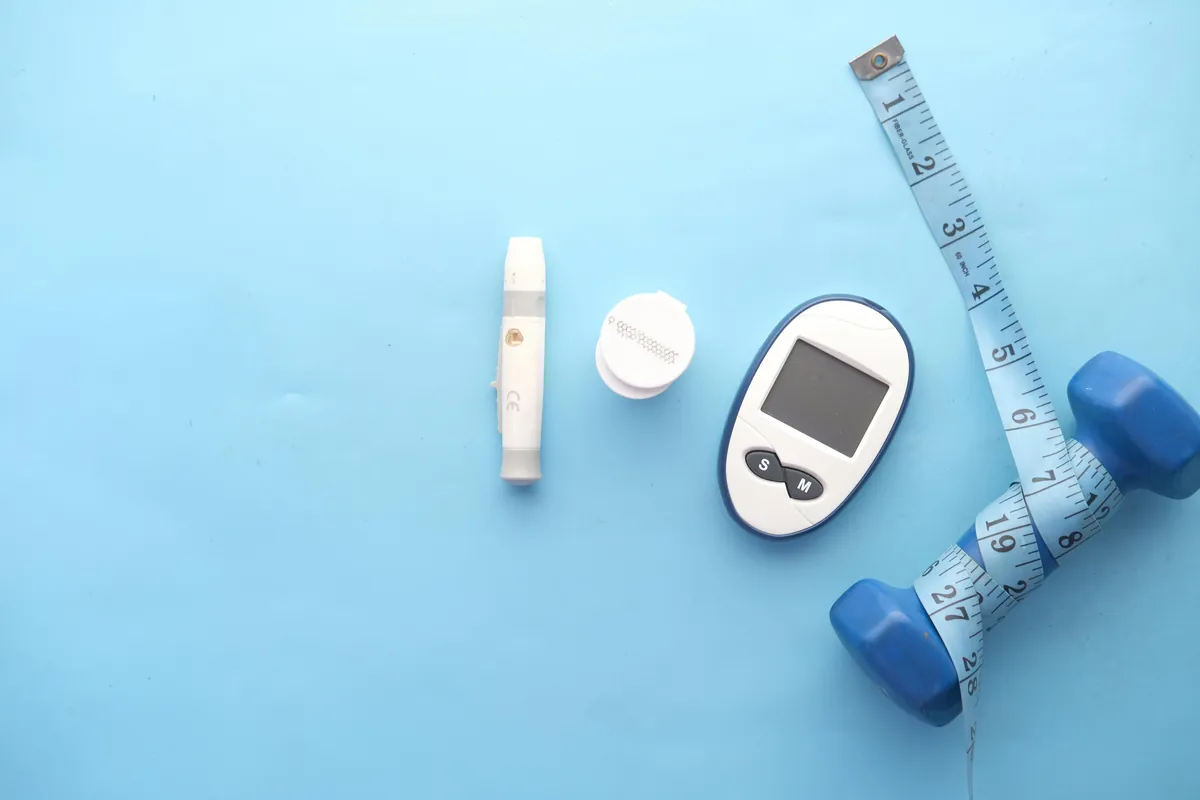
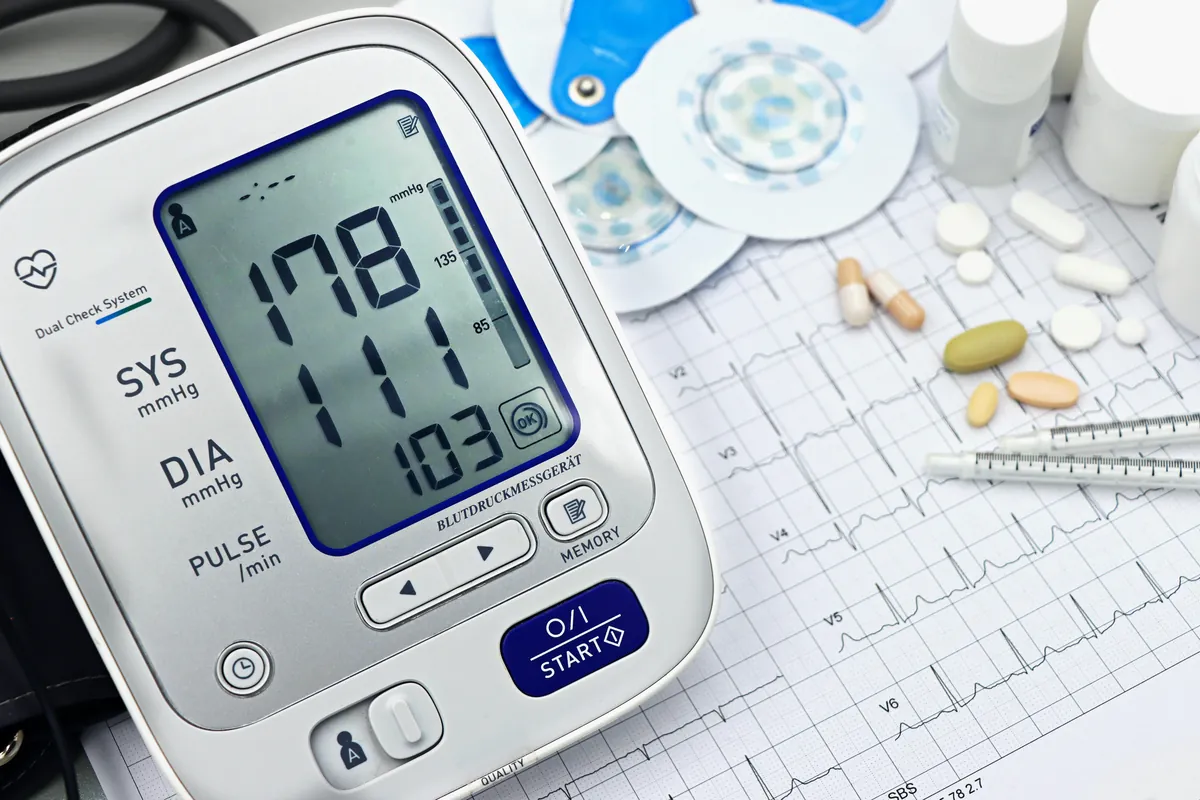
The COVID-19 pandemic accelerated the adoption of remote patient monitoring. Semiconductor innovations enable home-use devices that can measure blood pressure, glucose, and respiratory function. Healthcare providers can receive timely updates without requiring in-person visits, improving care for chronic conditions like diabetes and hypertension.
Point-of-Care Diagnostic Devices
Miniaturized chips embedded in portable diagnostic tools can help detect infections, biomarkers, or blood abnormalities quickly. Faster diagnostics mean quicker treatment decisions and better health outcomes. The ongoing chip industry news reports breakthroughs in this space highlight chips capable of processing biochemical signals with high accuracy.
Challenges and Considerations for Health Technology Integration
While chip advancements offer great promise, there are challenges to consider.
Data Privacy and Security
With more health data processed on chips and devices, protecting this sensitive information is critical. The chip industry news often stresses the importance of built-in hardware security features to prevent hacking and unauthorized access.
Ensuring Device Reliability
Medical devices require rigorous testing to ensure accuracy and durability. Chips must perform reliably even in challenging environments, such as under the skin or during physical activity. Manufacturers continually work on improving chip robustness.
Cost and Accessibility
Advanced semiconductor technology can be expensive to develop. Ensuring that health innovations powered by these chips are affordable and widely accessible remains a key priority for governments and healthcare providers.
Looking Ahead: What’s Next in Chip Industry News for Health?
The future of chip technology in health looks promising. We can expect continued progress in the following areas:
- Integration with AI and Machine Learning: Chips will become even better at supporting real-time, on-device AI to deliver personalized health insights.
- Flexible and Biodegradable Chips: Research into flexible chips that conform to the body or biodegrade safely could open new frontiers in implantable health technology.
- Expanded Use of 5G and Connectivity: Faster network support will enable seamless data transfer between devices and healthcare providers, supporting more comprehensive health monitoring ecosystems.
Staying informed about chip industry news can help you understand how new health technologies evolve and influence your well-being. As chips become smarter and smaller, the health devices we rely on will only become more integrated into everyday life, creating exciting possibilities for health management and disease prevention.
FAQ
How does chip technology improve wearable health devices?
Advances in chip design enable smaller, more power-efficient sensors that can continuously monitor vital signs with greater accuracy. This means wearable devices can track health metrics longer and provide real-time data to users.
What role does artificial intelligence play in chip-powered health devices?
AI-enabled chips can process complex health data directly on the device, allowing for faster analysis and personalized feedback without relying heavily on cloud computing. This enhances privacy and responsiveness.
Are the chips used in health devices different from those in smartphones?
Yes. While some chips share similar technology, health-focused chips often include specialized sensors and processing capabilities designed specifically for monitoring biological signals.
Can chip advancements help with chronic disease management?
Absolutely. Improved chips support remote patient monitoring tools that track conditions like diabetes or hypertension continuously, helping patients and doctors manage care more effectively.
What should consumers look for when choosing health devices with advanced chips?
Consumers should look for devices that prioritize data privacy, offer reliable performance, and have been clinically validated or approved by relevant health authorities. Reading up on recent chip industry news can also indicate which devices incorporate the latest technology.












Leave a Reply