

In recent months, Chicago has witnessed a surge in protests that have drawn national attention. These events have not only shaped public discourse but also influenced the local economy and financial landscape of the city. This article offers a comprehensive view of the latest chicago protest news, examining how ongoing demonstrations affect businesses, municipal budgets, investments, and the broader economic environment in Chicago. MarketWatch markets & investing
Overview of Recent Protests in Chicago
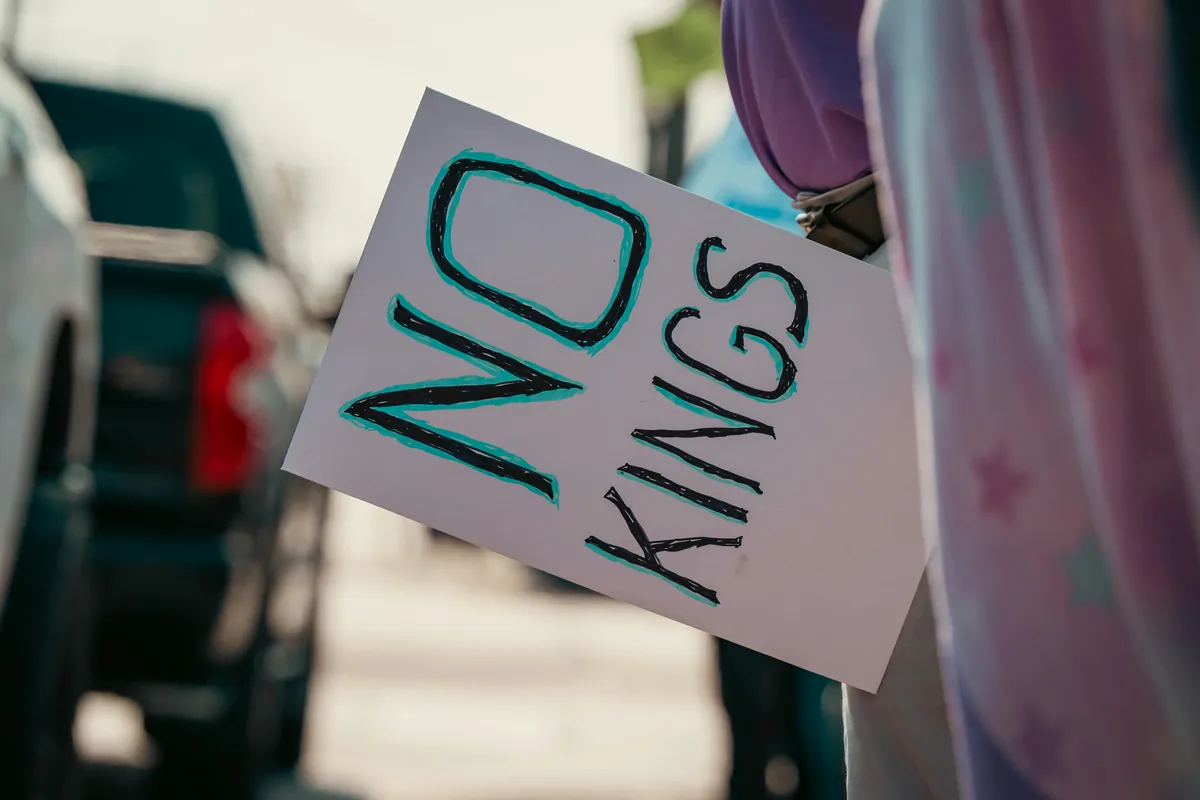
Chicago has a rich history of activism, with protests often spotlighting social justice, police reform, and economic inequality. The latest wave of protests reignited in response to both local incidents and nationwide movements addressing systemic issues. These protests have been centered in key areas such as the Loop, Near West Side, and various neighborhoods with commercial hubs.
The scale of these protests varies, ranging from peaceful marches involving thousands to more contentious events that sometimes resulted in property damage or curfews imposed by city officials. Media coverage has been extensive, with Chicago protest news frequently highlighting the tension between demonstrators, law enforcement, and business owners.
Impact on Local Businesses and Retail Sector
Short-Term Disruptions and Revenue Declines
One of the most immediate effects of the protests has been the disruption of normal commercial activity. Retail stores, restaurants, and service providers in affected areas have experienced temporary closures or reduced operating hours during protest events. For some small businesses, especially those in downtown Chicago’s shopping districts, these interruptions translate into considerable revenue losses.
Additionally, concerns about safety and the potential for violence have led some consumers to avoid certain neighborhoods. Foot traffic—a critical driver of retail sales—has diminished during peak protest periods, creating ripple effects across multiple sectors.
Long-Term Economic Consequences
Beyond short-term losses, persistent unrest can alter the economic dynamics of neighborhoods. Commercial landlords may face vacancies if businesses choose to relocate to perceived safer zones. Moreover, retail chains and investors might reconsider expansion plans or delay new ventures in protest-prone areas.
This shift can depress property values and reduce the overall tax base, which in turn impacts municipal revenues. Chicago’s local government depends heavily on sales and property taxes, and a decline in commercial activity can strain budgets allocated for public services.
Municipal Financial Strain and Public Spending
Law Enforcement and Security Costs
Managing large-scale protests requires significant investment in public safety. Chicago has deployed thousands of police officers, utilized crowd control measures, and activated emergency services to maintain order during demonstrations. These actions come with substantial operational expenses, including overtime pay, equipment, and logistical support.
The city’s budget has had to accommodate these unexpected costs, sometimes reallocating funds from other priorities such as infrastructure or education. This reallocation can delay critical projects and affect long-term urban development initiatives.
Economic Recovery and Relief Programs
In response to the financial strain on businesses affected by protests, city officials and community organizations have introduced relief programs aimed at aiding economic recovery. Grants, low-interest loans, and technical assistance seek to stabilize local enterprises and encourage rebuilding efforts.
However, the scale of these programs is often limited by the city’s revenue capacity, which is pressured further by ongoing social unrest and economic volatility. Balancing public safety expenditure with economic stimulus remains a key challenge for Chicago’s leadership.
Investor Sentiment and Real Estate Market Trends
Market Volatility and Commercial Real Estate
Investor confidence can be sensitive to social and political stability. The continuation of protests has led some market analysts to adopt a cautious stance toward Chicago’s commercial property market. While the city boasts a robust economy and diverse industries, localized unrest may introduce uncertainty for large-scale investments.
Some investors have expressed concern about insurance costs for properties in protest-prone areas and potential interruptions to tenant businesses. Nonetheless, Chicago’s strategic importance as a transportation and financial hub provides a counterbalance to these risks.
Residential Real Estate Impacts
In neighborhoods directly impacted by protests, residential real estate has also felt pressure. Homebuyers may hesitate to enter markets perceived as unstable, leading to slower sales and price adjustments. Conversely, some areas outside protest zones have seen increased demand as people seek quieter environments.
Long-term effects will depend on how quickly order is restored and whether community engagement and policy reform address root causes of unrest.
The Role of Chicago Leadership in Navigating Economic Challenges
City officials have recognized that addressing protest-related financial challenges requires a multifaceted approach. This includes fostering dialogue between communities and law enforcement, supporting small businesses, and enhancing public safety without exacerbating tensions.
Economic recovery strategies are also being integrated with broader social policy initiatives aimed at reducing inequality and promoting equitable growth. Chicago’s leadership emphasizes that sustainable economic health depends on social cohesion and investor confidence alike.
Looking Ahead: Prospects for Stability and Growth
The trajectory of Chicago’s economic environment amid ongoing protests will hinge on several factors. Effective conflict resolution, targeted economic relief, and strategic communication are essential to mitigate financial fallout.
Moreover, investment in community development and infrastructure can help revitalize neighborhoods and attract new business opportunities. Many experts suggest that turning challenges associated with protests into catalysts for reform and renewal could position Chicago for a more inclusive and resilient economic future.
Summary
Chicago protest news continues to be a vital lens through which to view the city’s evolving economic landscape. While protests underscore deep social issues, their economic implications are complex and multifaceted. From immediate impacts on businesses and municipal finances to longer-term investor sentiment and real estate trends, the financial effects of unrest in Chicago demand careful attention and proactive policy responses.
Frequently Asked Questions
How have recent protests affected Chicago’s local businesses?
Recent protests have caused temporary closures, reduced customer traffic, and in some cases, property damage. These disruptions have led to revenue losses, especially for small and mid-sized businesses in commercial areas directly impacted by demonstrations.
What financial strain do protests place on Chicago’s municipal budget?
The city incurs significant expenses related to law enforcement, emergency response, and security during protests. These costs often lead to budget reallocations, potentially delaying other public projects and services.
Are investors hesitant to put money into Chicago due to protests?
Some investors adopt a cautious approach, concerned about risk and insurance costs linked to social unrest. However, Chicago’s diverse economy and strategic importance continue to attract investment, balancing these concerns.
What measures are being taken to support economic recovery in protest-affected areas?
Chicago has implemented relief programs such as grants and low-interest loans aimed at helping affected businesses recover. Additionally, city officials are focusing on community engagement and social policy reforms to promote stability.
Can protests lead to long-term positive economic changes in Chicago?
Yes, if managed effectively. Protests can highlight social issues that, when addressed through reform and investment, contribute to more equitable growth and revitalization of neighborhoods, ultimately enhancing economic resilience.











Leave a Reply