

vladimir putin has been a defining figure in global politics for more than two decades. As Russia’s president and former prime minister, his leadership has significantly shaped the nation’s domestic policies and foreign relations. This article offers an in-depth examination of Vladimir Putin’s political career, his influence on Russia and the international stage, and the implications of his leadership for the future.
Early Life and Political Rise
Born on October 7, 1952, in Leningrad (now Saint Petersburg), Vladimir Vladimirovich Putin grew up in post-war Soviet Union. After graduating from Leningrad State University with a law degree in 1975, he joined the KGB, the Soviet Union’s main security agency. Putin’s intelligence career included a stint in East Germany, where he gained valuable experience in espionage that would later influence his political style.
In the early 1990s, following the collapse of the Soviet Union, Putin transitioned to political roles within the newly established Russian Federation. His tenure as an advisor to Saint Petersburg’s mayor and later as head of the Federal Security Service (FSB), the KGB’s successor, positioned him as a rising power player. In August 1999, President Boris Yeltsin appointed Putin as prime minister, setting the stage for his rapid ascent to the presidency.
Presidency and Domestic Policy
Consolidation of Power
Vladimir Putin officially became president of Russia in 2000. One of his early priorities was stabilizing a country battered by economic turmoil and political instability during the 1990s. He implemented reforms that centralized federal power and curtailed the influence of oligarchs who had amassed wealth under Yeltsin’s rule. Reuters world news
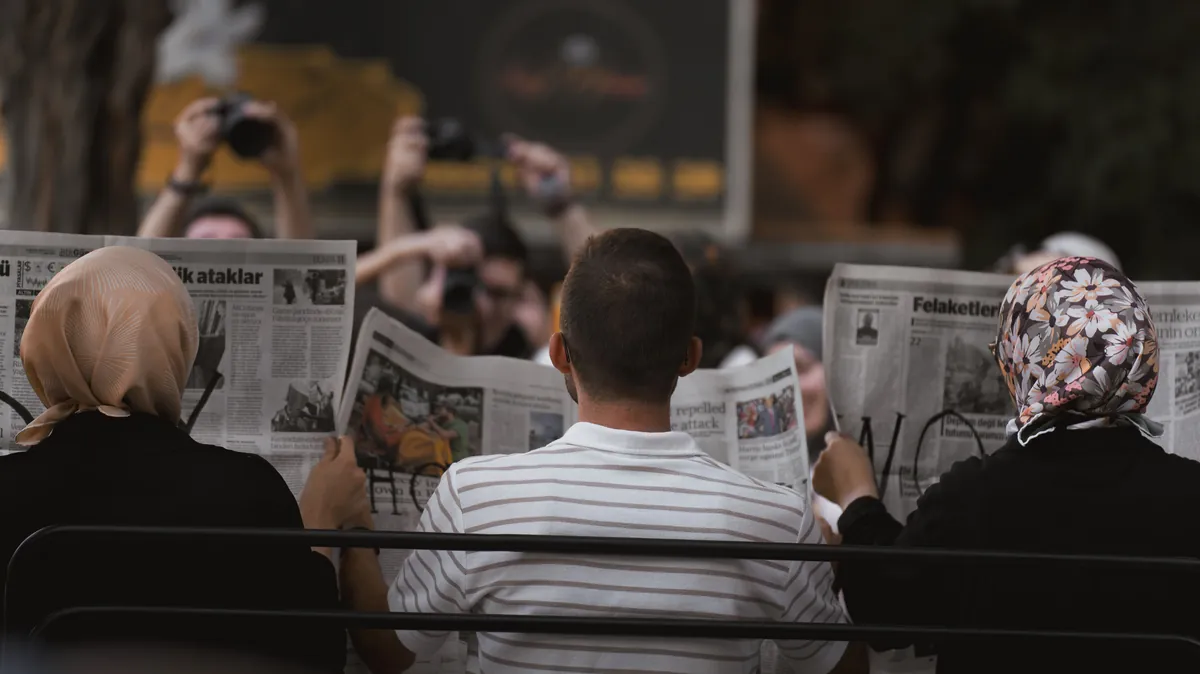
Putin’s government placed a strong emphasis on restoring order and state authority. Measures such as restructuring the regional governance system and increasing control over the media were widely criticized by opposition groups but praised by many Russians who desired stability and national pride.
Economic Policies and Challenges
During Putin’s first two terms, Russia experienced significant economic growth, largely fueled by rising oil prices and increased global demand for energy resources. This boom allowed for improvements in infrastructure, social services, and public sector wages. However, critics point out that this growth also deepened Russia’s dependence on energy exports and left underlying economic vulnerabilities unaddressed.
In later years, economic sanctions imposed by Western countries, alongside fluctuating oil prices, posed challenges to Russia’s economy. Putin’s administration responded by promoting import substitution, enhancing domestic manufacturing, and building financial reserves to shield against future shocks.
Foreign Policy and Global Influence
Reasserting Russia on the World Stage
Vladimir Putin’s foreign policy is characterized by efforts to restore Russia’s status as a major global power. Under his leadership, Russia pursued a more assertive stance, seeking to influence regional affairs from Eastern Europe to the Middle East.
Key moments include the 2008 conflict with Georgia, the annexation of Crimea in 2014, and military involvement in Syria starting in 2015. These actions have often brought Russia into direct confrontation with the United States, the European Union, and NATO, resulting in heightened geopolitical tensions.
Relations with the West
Putin’s relationship with Western countries has been complex and frequently fraught. While he initially sought cooperation, particularly in counterterrorism efforts, events over the past decade have led to deteriorated ties. Sanctions triggered by Russia’s actions in Ukraine and alleged interference in foreign elections have isolated Moscow diplomatically and economically.
At the same time, Putin has cultivated closer partnerships with countries like China, India, and Turkey, diversifying Russia’s international relations and counterbalancing Western influence.
Political Style and Public Perception
Authoritarian Tendencies
Putin’s political style is often described as authoritarian, characterized by centralized control, suppression of dissent, and control over the media landscape. Critics argue that the political environment under his leadership has restricted democratic freedoms and marginalized opposition voices.
Supporters, meanwhile, highlight his role in restoring national pride, enhancing Russia’s geopolitical significance, and delivering economic stability after a decade of chaos.
Public Image and Popularity
Despite controversies, Putin has maintained consistently high approval ratings within Russia. His image as a strong, decisive leader resonates with many citizens, particularly in the context of perceived external threats and internal challenges.
State-controlled media, patriotic messaging, and strategic public appearances have contributed to this favorable image. However, protests and dissent exist, especially among younger generations and urban populations advocating for political reforms.
Looking Ahead: Putin’s Legacy and Russia’s Future
As Vladimir Putin remains a central figure in Russia’s political landscape, questions about his legacy and the country’s trajectory are increasingly pressing. Constitutional changes enacted in 2020 potentially allow him to extend his presidency until 2036, prolonging his influence significantly.
Analysts debate whether Russia under Putin will continue on its current path of centralized authority and geopolitical assertiveness or if internal and external pressures will prompt political and economic reforms. The outcome will likely shape not only Russia’s future but also the broader global balance of power.
Frequently Asked Questions
Who is Vladimir Putin?
Vladimir Putin is the current president of Russia, having served multiple terms since 2000. He is a former KGB officer and has been a dominant figure in Russian politics for over two decades.
What are some key events in Putin’s presidency?
Key events include the consolidation of federal power in Russia, conflicts with Georgia and Ukraine, the annexation of Crimea in 2014, and Russian military involvement in Syria. His tenure has also seen economic ups and downs, influenced by global oil prices and sanctions.
How has Vladimir Putin influenced Russia’s relationship with the West?
Putin’s assertive foreign policy and actions like Crimea’s annexation have strained relations with the West, resulting in sanctions and diplomatic isolation. However, he has also sought partnerships outside the Western sphere, particularly with China and other emerging powers.
What is Vladimir Putin’s political style?
Putin’s political approach is often characterized as authoritarian, focusing on centralized control, limiting political opposition, and maintaining strong state influence over media and society.
What could Vladimir Putin’s future role in Russia be?
Constitutional amendments passed in 2020 potentially allow Putin to remain in power until 2036. His continued leadership will likely influence Russia’s domestic policies and international posture for years to come.





Leave a Reply