

thitu island, also known as Pag-asa Island, is the largest of the Spratly Islands in the contested South China Sea. While geopolitics often overshadows discussions about this remote island, there is a pressing need to understand the health conditions and challenges faced by its residents and military personnel stationed there. This article explores the health infrastructure, environmental factors, and public health measures on Thitu Island, highlighting how its geographical isolation impacts healthcare delivery and outlining ongoing efforts to improve health outcomes in this strategic outpost.
Understanding Thitu Island: Geography and Demographics
Located roughly 175 nautical miles west of Palawan in the Philippines, Thitu Island spans roughly 37 hectares and is home to a small civilian population along with a military presence. The island serves as the administrative center of the Philippine-claimed portions of the Spratly Islands, hosting government offices, a small airstrip, and residential facilities.
Despite its modest size, Thitu Island supports a community of around 200 residents, including fishermen, government employees, and military personnel. This population size and the island’s remoteness create unique health challenges, particularly in terms of access to medical supplies, emergency evacuation capabilities, and disease prevention.
Health Infrastructure on Thitu Island
Limited Medical Facilities
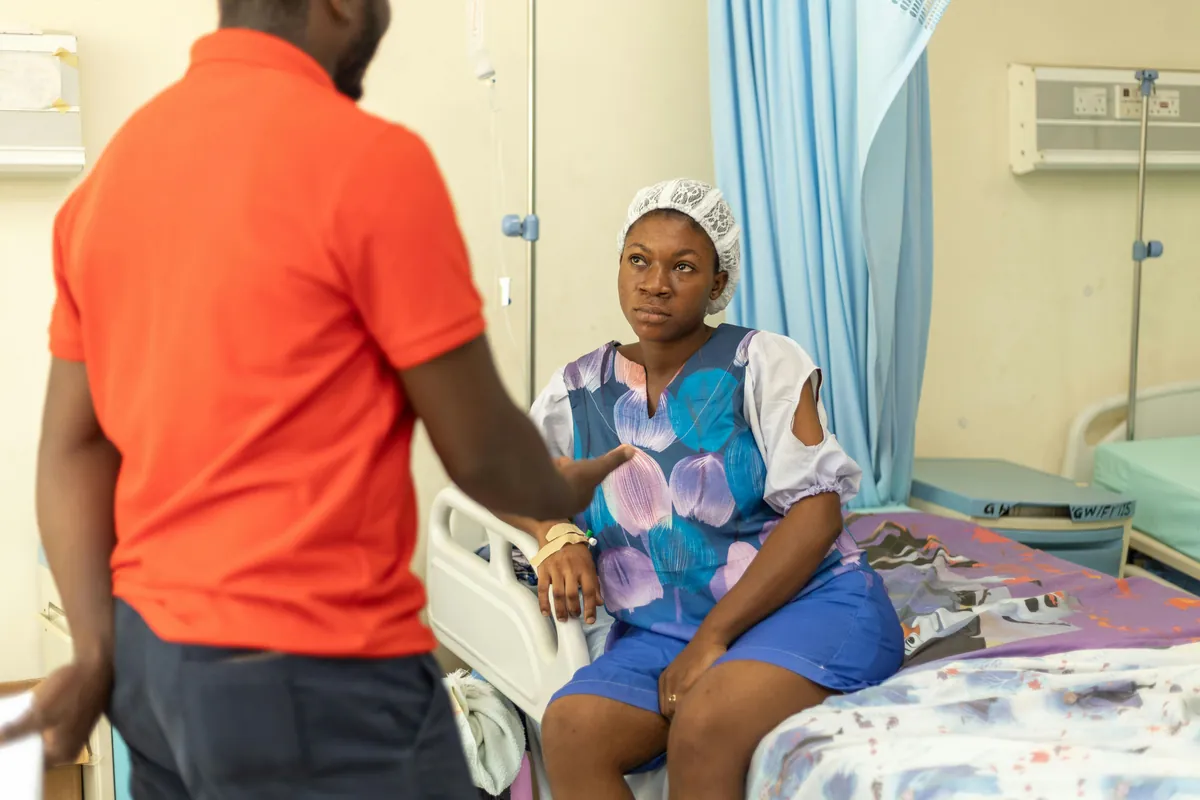
Healthcare infrastructure on Thitu Island is limited. The island has a small health station staffed by a few medical personnel, including a nurse and a paramedic. More advanced medical care is not readily available, necessitating reliance on mainland hospitals in Palawan or even further afield for emergencies and specialized treatment.
The health station primarily handles minor injuries, routine check-ups, maternal care, and preventive services. Given the strategic importance of Thitu Island, regular resupply missions aim to deliver essential medicines, vaccines, and medical equipment, but logistical challenges can delay shipments.
Challenges of Medical Evacuation
Medical evacuation is a critical concern for island residents, especially considering the lack of full-scale hospital facilities. In emergencies, patients must be airlifted or transported by sea to the Philippines mainland. However, unpredictable weather conditions in the South China Sea can hamper these evacuation efforts, sometimes leading to delays that jeopardize patient outcomes.
Environmental and Public Health Concerns
Water Quality and Sanitation
Reliable access to safe drinking water is a foundational element of public health on Thitu Island. Due to the island’s small size and lack of natural freshwater sources, residents rely heavily on rainwater collection and desalination plants. Ensuring water safety is crucial, as contaminated water can lead to gastrointestinal diseases and outbreaks.
Sanitation infrastructure is basic but functional, with efforts ongoing to improve waste disposal and prevent contamination of water sources. Poor waste management in isolated island communities can lead to vector-borne diseases and environmental degradation, so constant attention to sanitation is necessary.
Vector-Borne Diseases and Infections
The tropical climate of Thitu Island creates a habitat conducive to mosquitoes and other vectors that transmit diseases like dengue fever and malaria. Although dengue is a significant public health concern in the Philippines, the incidence on Thitu Island remains low due to ongoing vector control measures and the relatively small population size.
Health authorities emphasize regular spraying, source reduction (elimination of standing water), and community education to mitigate vector-borne disease risks. Additionally, the health station monitors for early signs of outbreaks, which could quickly spread in confined populations.
Nutrition and Mental Health in Remote Island Living
Diet and Nutritional Issues
Food security and proper nutrition are persistent challenges on isolated islands like Thitu. The local diet primarily consists of seafood, supplemented with imported staples such as rice, canned goods, and fresh produce brought from the mainland. Limited variety and dependence on supply ships can lead to nutritional deficiencies if shipments are delayed or incomplete.
Health workers promote nutritional awareness, encouraging balanced diets and monitoring for signs of malnutrition, particularly among children and the elderly.
Mental Health Concerns
Living in a remote, confined environment with limited social outlets can impact residents’ mental health. Stressors include isolation, geopolitical tensions, and the harsh realities of island life. While formal mental health services are minimal, community leaders and health practitioners focus on providing psychosocial support and fostering community cohesion.
Technology has also played a role in reducing social isolation, with internet-based communication linking residents to family and external support networks.
Health Initiatives and the Role of Government and NGOs
Government-Led Healthcare Programs
The Philippine government has made concerted efforts to strengthen healthcare delivery on Thitu Island. Regular supply missions, deployment of qualified medical staff, and infrastructure improvements are part of broader initiatives to improve living conditions and assert sovereignty in the region.
Vaccination campaigns, maternal care programs, and disease prevention initiatives are integral components of these efforts, aimed at reducing preventable illnesses and enhancing overall community resilience.
International and Non-Governmental Support
While geopolitical sensitivities limit extensive foreign involvement, some humanitarian and environmental NGOs have expressed interest in supporting health and sustainability projects in the Spratly Islands region. Collaborative programs focusing on environmental conservation indirectly improve human health by preserving natural resources and reducing pollution.
Looking Ahead: Improving Health Outcomes on Thitu Island
Addressing the health challenges of Thitu Island requires continual investment in infrastructure, personnel training, and supply chain resilience. Innovations such as telemedicine could broaden access to specialist consultations without necessitating risky travel. Additionally, enhancing emergency evacuation protocols and expanding preventive health education can strengthen community health defenses.
Improved health on Thitu Island is not only crucial for the well-being of its residents but also serves as a stabilizing factor in a geopolitically sensitive region. A healthy population supports sustainable habitation, strengthens claims of sovereignty, and enhances overall security.
Frequently Asked Questions
What is the population size of Thitu Island?
Thitu Island is home to approximately 200 residents, including civilians and military personnel.
How do residents access healthcare services on Thitu Island?
The island has a small health station staffed by medical personnel who provide basic care. For advanced treatment, patients must be evacuated to mainland hospitals in Palawan, Philippines.
What are the main health risks faced by people on Thitu Island?
Key health risks include limited access to advanced medical care, vector-borne diseases like dengue, water quality and sanitation issues, nutritional challenges, and mental health concerns due to isolation. WebMD health information
How is safe drinking water supplied on Thitu Island?
Residents rely on rainwater collection and desalination plants, as the island lacks natural freshwater sources. Ensuring the safety of these water supplies is vital for preventing illness.
Are there any health initiatives to improve conditions on Thitu Island?
The Philippine government conducts regular supply missions, vaccination programs, and infrastructure improvements. There is also emphasis on disease prevention and community health education to improve overall wellbeing.










Leave a Reply