

personal finance is often viewed as a private matter — budgets, savings, and investments that we manage ourselves. But political decisions at the local, national, and global levels can have a profound impact on your financial stability and future. Understanding this connection is key to making informed choices not just about money, but about the politics that influence it.
From tax policies to social welfare programs, laws passed by governments affect how much you earn, save, and spend. For individuals keen on improving their financial well-being, staying aware of political trends and policy changes is essential. This article explores the intricate relationship between politics and personal finance, shedding light on why this knowledge matters.
Why Politics Matters for Your Personal Finance
Politics governs policies that determine interest rates, inflation, taxes, and social safety nets. These, in turn, affect your disposable income, debt levels, and investment returns. When political climates shift, so do financial landscapes.
For example, a government’s approach to healthcare funding can dictate your medical expenses. Similarly, decisions about minimum wage and employment laws influence your earning potential. In short, your financial decisions do not exist in a vacuum but are intertwined with political frameworks.
Key Political Factors Impacting Personal Finance
Tax Policies and Their Direct Effect on Income
One of the most immediate ways politics affects personal finance is through taxation. Changes in income tax rates, capital gains taxes, and deductions influence how much money individuals take home.
Political debates often revolve around tax reforms, which can either alleviate or increase financial burdens on citizens. Staying informed about these reforms can help you plan your finances better, including retirement contributions and investment strategies.
Government Spending and Social Programs
Public spending on healthcare, education, and welfare programs impacts household budgets indirectly. Robust social programs can reduce out-of-pocket expenses, improving financial security.
Conversely, cuts to such programs often lead to higher personal expenditures. Political priorities shape these budget allocations, meaning shifts in government can either strengthen or weaken the social safety net available to you.
Regulation of Financial Markets
Government regulation affects the stability and transparency of financial institutions and markets. Policies on consumer protection, banking regulations, and borrowing rules influence how safely and efficiently you can manage money.
Strong regulatory frameworks can reduce risks associated with loans and investments, while deregulation might increase opportunities but also risks. Understanding the regulatory environment helps in making prudent financial decisions.
Monetary Policy and Inflation
Central banks, while often independent, work within political environments. Their decisions on interest rates and control of money supply impact inflation and borrowing costs.
High inflation erodes purchasing power, making everyday expenses more costly. Changes in monetary policy influence mortgage rates, credit card interest, and savings yields — all critical elements of personal finance.
How Political Changes Can Affect Your Financial Planning
Adapting to Tax Law Changes
When governments propose new tax laws, individuals may need to re-evaluate investment choices and savings plans. For instance, increasing capital gains tax may encourage longer-term investments, while higher income tax rates might affect salary negotiations or side gigs. Hermes Stock Price: What Political Turbulence Means for Investors
Impact of Political Stability on Economic Confidence
Political stability encourages economic growth, job creation, and investment confidence. Conversely, political turmoil can lead to market volatility, affecting your retirement accounts and other financial assets.
Maintaining a flexible financial plan that can withstand political unpredictability is crucial. Diversification and having emergency funds become even more important in unstable political environments.
Practical Steps to Align Your Personal Finance with Political Realities
Stay Informed and Engage
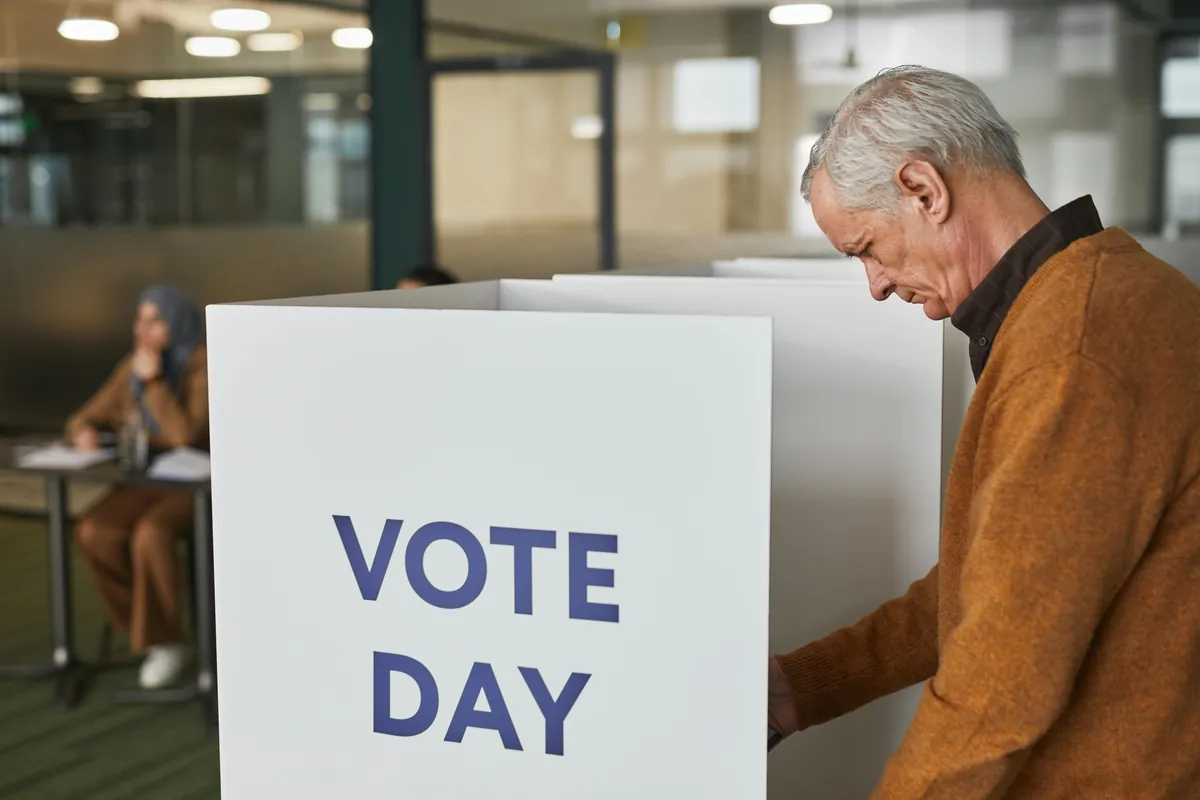
Regularly follow credible news sources and analyses to understand the potential impact of political developments on personal finance. Voting and civic participation are powerful tools to influence policies that affect economic well-being. Wikipedia
Diversify Your Income and Investments
Don’t rely solely on one source of income or investment type. Political decisions might impact certain industries or sectors differently, so diversification helps mitigate risks stemming from political shifts.
Plan for Healthcare and Retirement with Policy Changes in Mind
Social programs related to healthcare and retirement can change with new administrations. Keep your plans flexible and consider private alternatives to safeguard against policy changes.
Consult Financial Professionals
Financial advisors who stay abreast of political developments can help tailor your financial strategies accordingly. They can provide guidance on tax planning, investment risk, and compliance with new regulations.
Looking Ahead: The Increasing Role of Politics in Personal Finance
As global economies become more interconnected, political decisions will continue to play a crucial role in shaping personal finance landscapes. Issues such as climate change policies, trade agreements, and technology regulation will increasingly affect economic conditions.
Being proactive and politically aware will empower you to adapt and thrive, ensuring your personal finances are resilient, regardless of the political tides.
FAQ
How do tax policies impact personal finance?
Tax policies determine how much you pay on income, investments, and purchases. Changes in tax rates or deductions directly affect your disposable income and savings potential.
Why should I pay attention to government spending programs?
Government spending on social programs affects the cost of healthcare, education, and social security, all of which influence your household expenses and financial planning.
Can political instability affect my investments?
Yes, political instability can lead to market volatility, impacting the value of stocks, bonds, and other financial assets in your portfolio.
How can I protect my finances against political changes?
Diversify your income and investments, stay informed about political developments, plan flexibly for taxes and social programs, and seek professional financial advice.
Does voting influence personal finance?
Voting helps elect leaders who shape economic policies, which can affect taxes, social programs, and regulations impacting your financial well-being.












Leave a Reply